
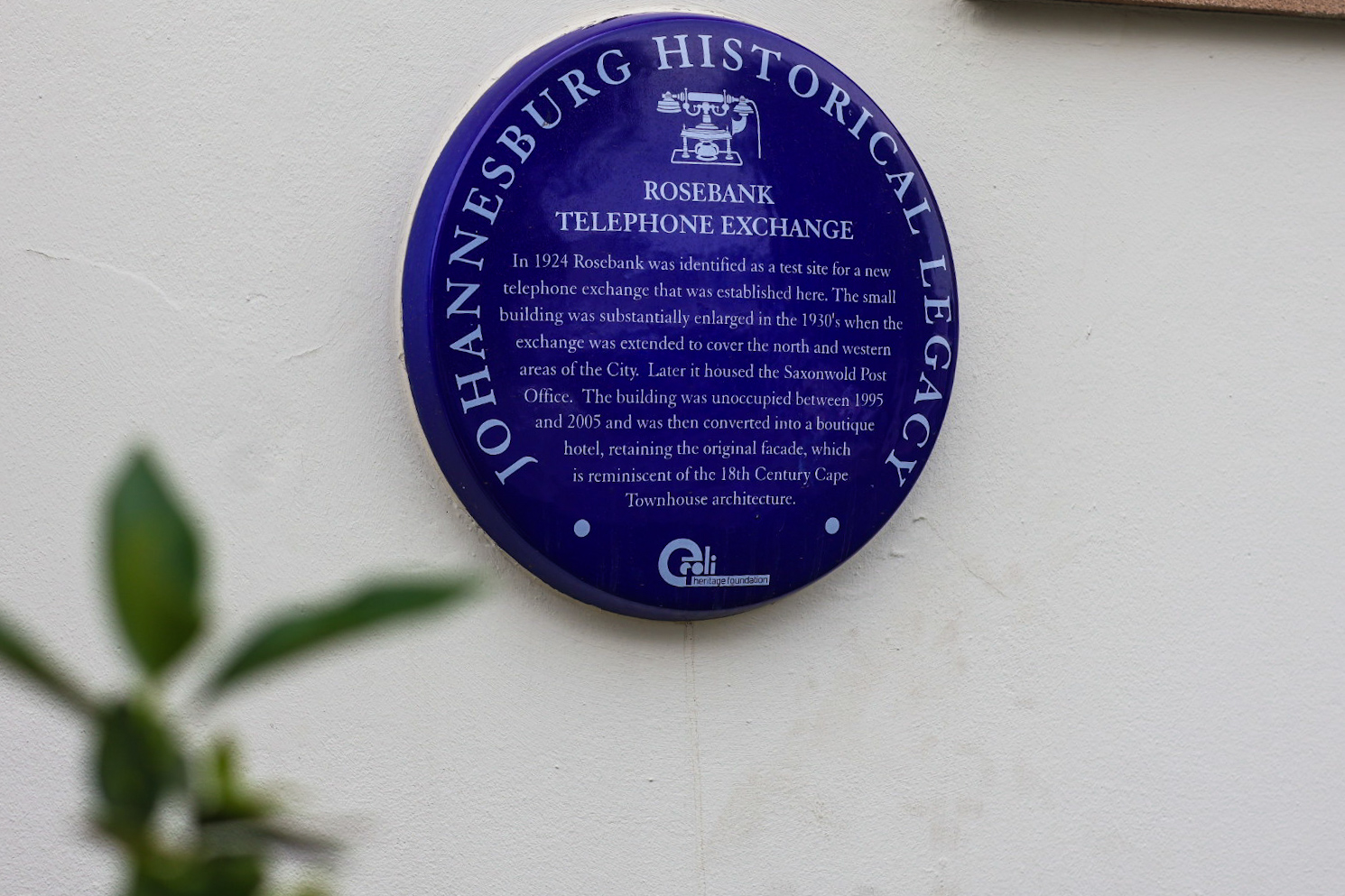
Cities don’t preserve their stories in books alone; they preserve them in buildings, streets and landmarks that shape generations. As Rosebank celebrates 130 years, some of its most remarkable stories can be discovered through the Blue Plaques of the Johannesburg Heritage Foundation. Each plaque marks a site of historical, architectural or cultural significance, inviting us to look beyond the modern skyline and uncover the people and events behind one of Johannesburg’s most distinctive neighbourhoods.
More than decorative markers, these plaques reveal the rich heritage beneath the surface of everyday life, encouraging us to pause and appreciate the buildings that have witnessed Rosebank’s transformation from open veld on the outskirts of a young Johannesburg into one of South Africa’s most vibrant mixed-use precincts.
Established in 1985, the Johannesburg Heritage Foundation (JHF) is behind this initiative, dedicated to identifying, documenting and celebrating Johannesburg’s built heritage through its flagship Blue Plaque Programme. While the plaques carry no statutory heritage protection, they serve an equally important purpose: connecting people with the stories behind the places they pass every day.
Within Rosebank, four Blue Plaques provide a fascinating glimpse into the suburb’s past, each representing a different chapter in its 130-year journey.
The Oxford Road Trig Beacon: Before There Was Rosebank
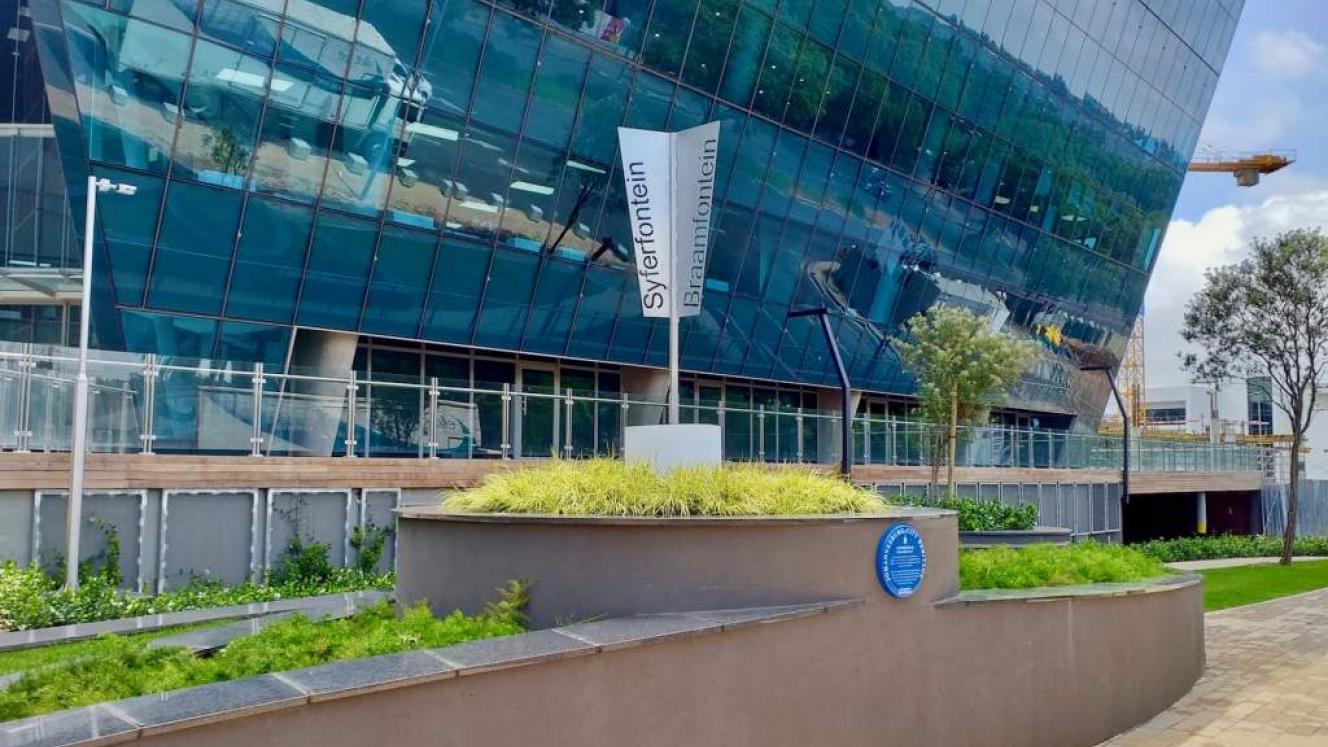
Long before Rosebank was established in 1896, this landscape formed part of the historic Braamfontein Farm. The Oxford Road Trig Beacon commemorates an early survey point that helped define the landscape long before Johannesburg expanded northwards. It marks a piece of history that predates not only Rosebank, but the city itself.
Often overlooked by those passing along Oxford Road, the Trig Beacon reminds us that every suburb has an origin story. Before there were streets, homes and bustling intersections, there was open veld, carefully surveyed in preparation for a city that was still taking shape. It is perhaps the quietest of Rosebank’s Blue Plaques, yet it tells one of the suburb’s oldest stories.
The Rosebank Telephone Exchange: Connecting a Growing Johannesburg
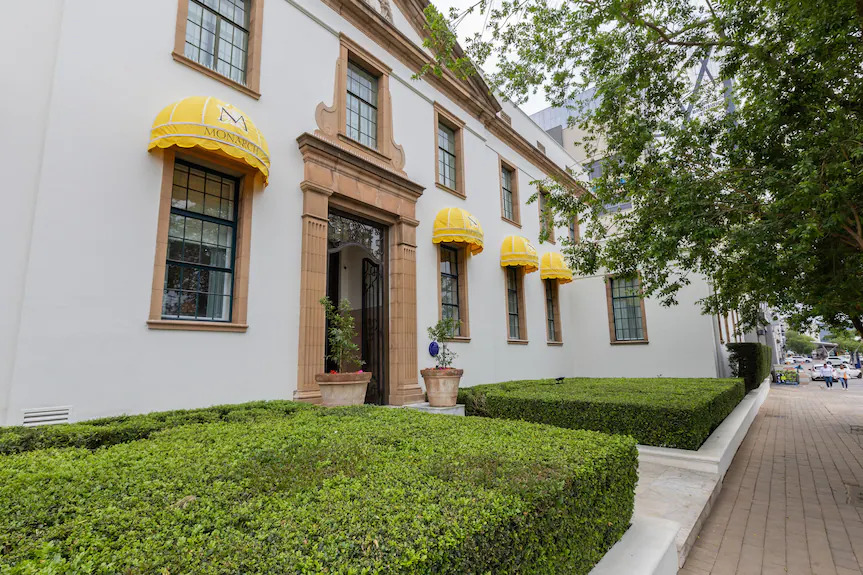
Completed in 1924, the Rosebank Telephone Exchange represented a new era of communication for Johannesburg’s rapidly expanding northern suburbs. As Rosebank grew in importance, the exchange became an essential part of the city’s telecommunications network, connecting homes, businesses and communities during a period of significant urban development.
Today, the building has been beautifully restored as The Monarch Hotel, standing as one of Rosebank’s finest examples of adaptive heritage reuse. Rather than disappearing beneath redevelopment, it has been given new purpose while retaining the architectural character that links present-day Rosebank with its past. Its Blue Plaque celebrates the building itself, and the value of allowing historic places to keep serving the community in new ways.
The Rosebank Firestation: A Landmark of Public Service
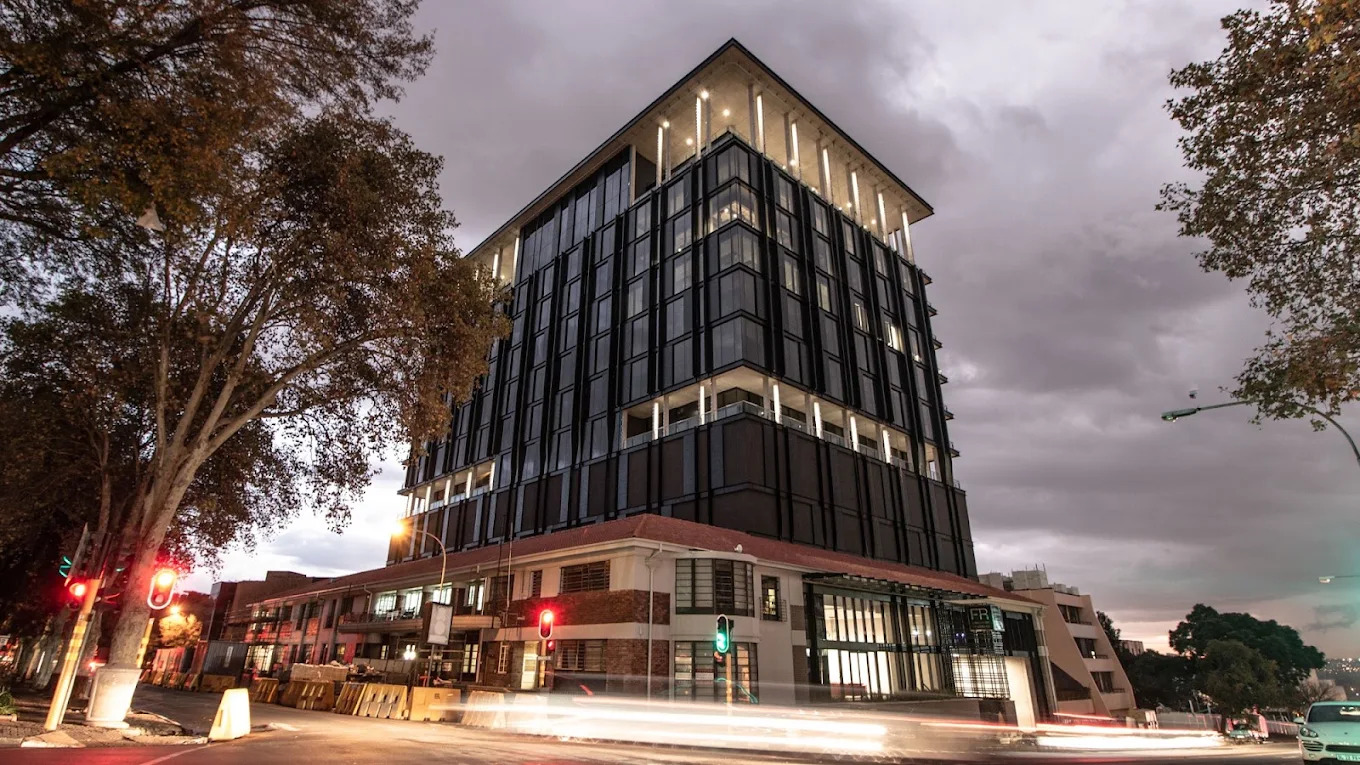
Completed in 1936, the Rosebank Fire Station quickly became one of the suburb’s defining civic landmarks. Designed by the City Engineers in the distinctive Art Deco style of the period, it served the growing northern suburbs of Johannesburg at a time when Rosebank was establishing itself as more than a residential suburb: it was becoming a thriving community with its own public institutions and services.
For decades, the Fire Station played a vital role in protecting residents and businesses, earning its place among Rosebank’s most notable public buildings. Following the downscaling of its operational role, it was carefully restored and adaptively reused as commercial offices, ensuring its architectural character and historical significance lived on.
Today, the building proudly carries a Johannesburg Heritage Foundation Blue Plaque, recognising its contribution to the suburb’s story. It stands as a powerful example of how thoughtful conservation can give historic buildings new purpose while keeping their stories part of the precinct’s identity.
Broadlands: An Architectural Treasure
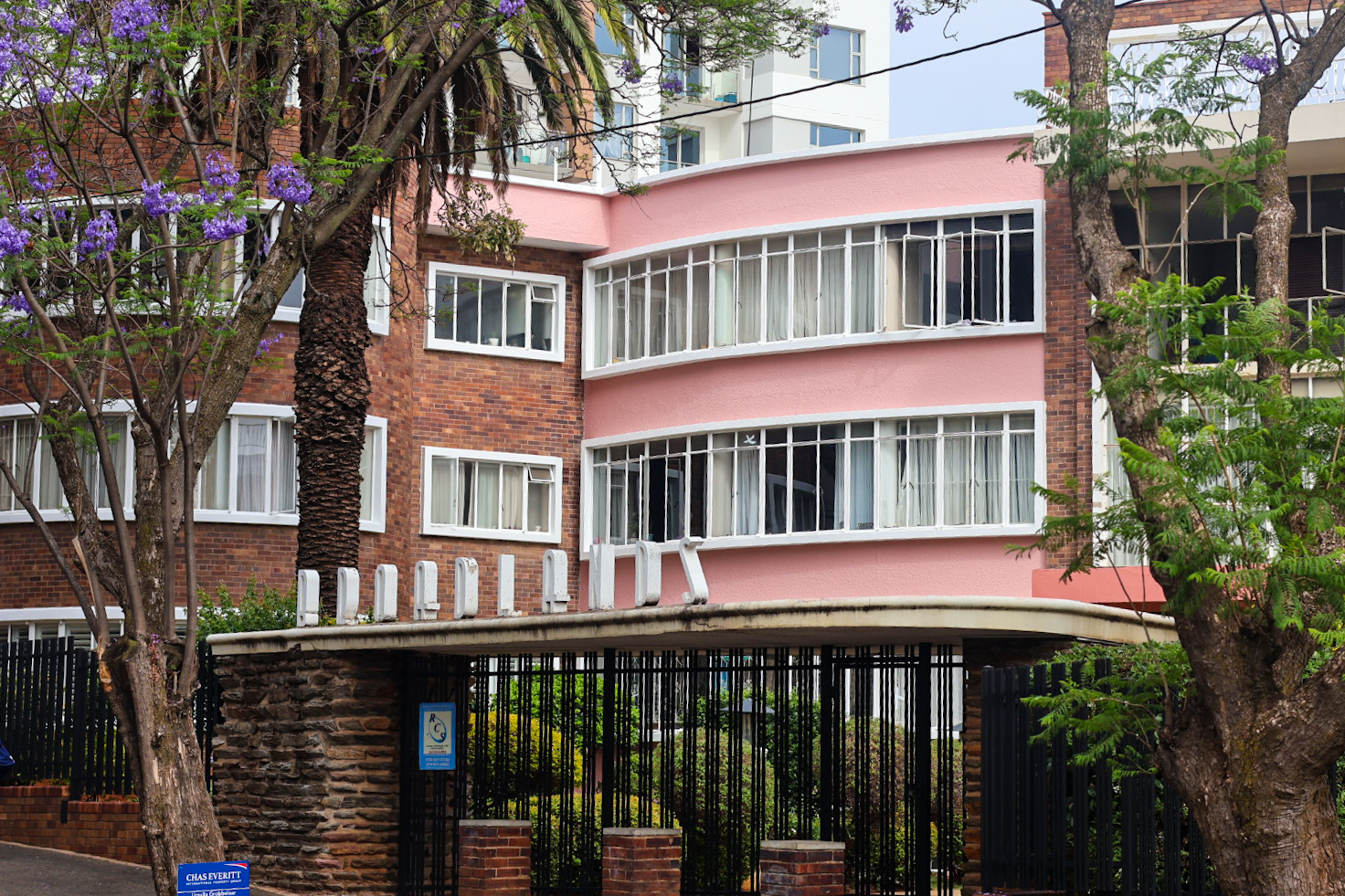
Completed in 1947, Broadlands is widely regarded as one of Johannesburg’s finest examples of Sub-Tropical Deco architecture. Designed by architect L. Filipek, with decorative glasswork by renowned artist René Shapshak, the building reflects a period when Rosebank was emerging as one of Johannesburg’s most desirable residential suburbs.
Its elegant proportions, sweeping balconies and distinctive detailing remain remarkably well preserved, reflecting the quality of architecture that defined Rosebank’s post-war development. The Johannesburg Heritage Foundation recognised Broadlands with a Blue Plaque for both its architectural excellence and its contribution to the suburb’s unique identity.
Every Plaque Tells a Bigger Story
While each Blue Plaque commemorates a specific building or site, together they tell a larger story: of a suburb that grew from open farmland into a thriving residential community, embraced technological progress, and continually adapted to Johannesburg’s changing needs.
Heritage is about more than preserving old buildings; it’s about recognising the people, ideas and communities behind them, so future generations understand not just what these places are, but why they matter. These blue plaques each hold a different chapter of that journey, and as the Rosebank 130 Years campaign continues, we’ll uncover more of the landmarks and institutions that define this remarkable neighbourhood, and how each has helped it honour its past while confidently embracing its future.
Sign up for our monthly member’s newsletter here. Follow our social media platforms for daily updates on operational concerns, events, and safety tips. Twitter, Facebook, Instagram.