
Rosebank at the Urban Mobility Summit 2026
Hosted by CityCon Africa on 5 – 6 May 2026, the Urban Mobility Summit is Africa’s leading platform advancing sustainable urban mobility, integrated urban planning, and transport infrastructure development across African cities. The 2026 edition carried a pointed theme: From Policy to Streets: Delivering Climate-Conscious, Inclusive Mobility.
For Rosebank Management District, this was not a talking shop. The conversations on the agenda were ones the district lives every day – how to move people safely through a complex urban environment, how to make public space work for everyone, and how to deliver on mobility ambitions that too often stay trapped in policy documents.
Participating alongside the Oxford Parks Management District was a deliberate choice. The two precincts share more than geography – together, they form a connected stretch of Johannesburg’s northern urban spine along Oxford Road and Jellicoe Avenue. Built on the same fundamentals: rigorous operational management, sustained investment in the public realm, and an understanding that walkable, people-centred environments do not happen by accident.
The summit convened government leaders, planners, transport authorities, developers, and mobility specialists around a question that remains equal parts urgent and unresolved: how do African cities build mobility systems that are equitable, low-carbon, and functional? For Rosebank, the answer can not only be theoretical.
Inclusive Urban Mobility Needs Social Legitimacy
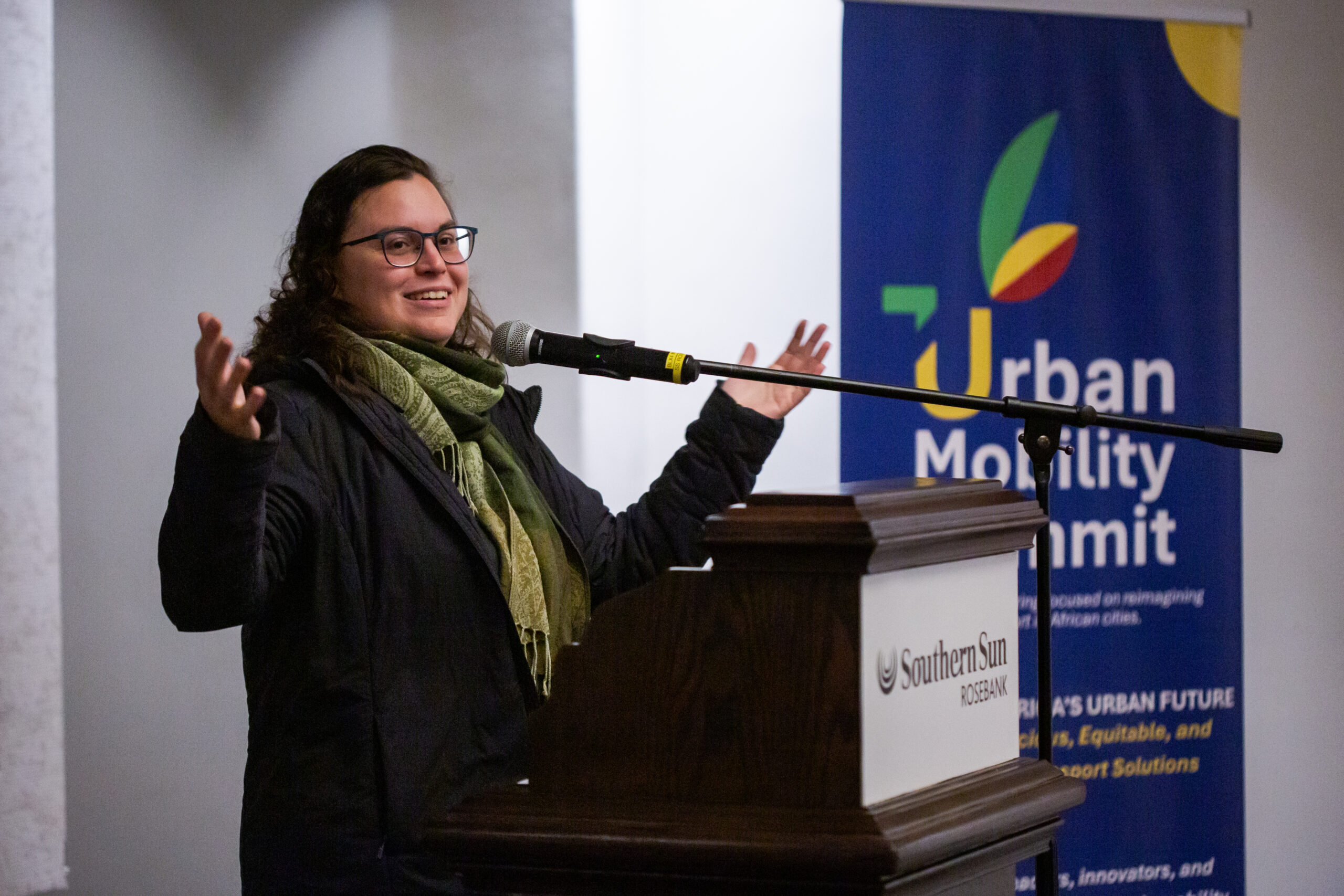
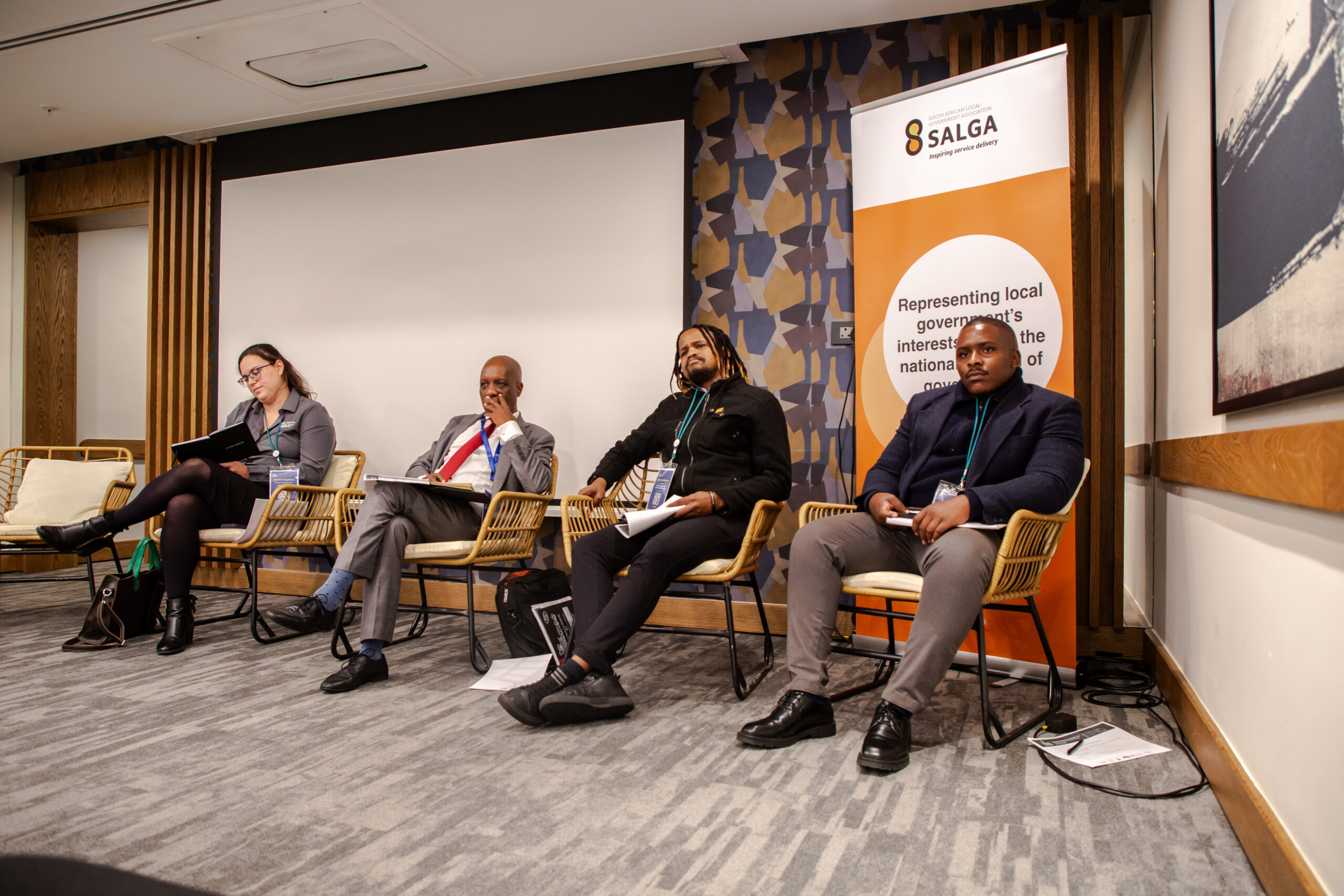
Often mobility planning treats people as variables in a movement equation – counting trips, optimising routes, measuring throughput, without asking whether people actually feel safe using the systems built for them. That gap between technical delivery and human experience was at the centre of the session that Mikhaela Donaldson, Rosebank’s District Manager contributed to.
The session challenged delegates to ask whose needs are centred in mobility design, who is excluded, and what it truly takes to close the gap between a well-designed network and a well-functioning one.
The argument was direct: social legitimacy is the determining factor in whether mobility systems succeed or fail. Infrastructure people do not trust does not get used. Poorly maintained transport nodes signal neglect, and neglect erodes confidence.
Rosebank serves a genuinely diverse cross-section of people daily – Gautrain, minibus taxi users, office workers, residents, retail visitors, and pedestrians passing through at all hours. Managing that complexity requires more than infrastructure. It requires upgraded walkways, consistent safety operations, improved lighting, and the relentless maintenance of the public realm that rarely makes headlines but underpin everything.
Donaldson’s contribution grounded an important conversation in operational reality: the distance between a policy commitment to inclusive mobility and the actual experience of moving through a city is bridged not by plans, but in the way in which they are executed.
Decarbonising Urban Mobility at Scale: From Policy Commitments to City Delivery
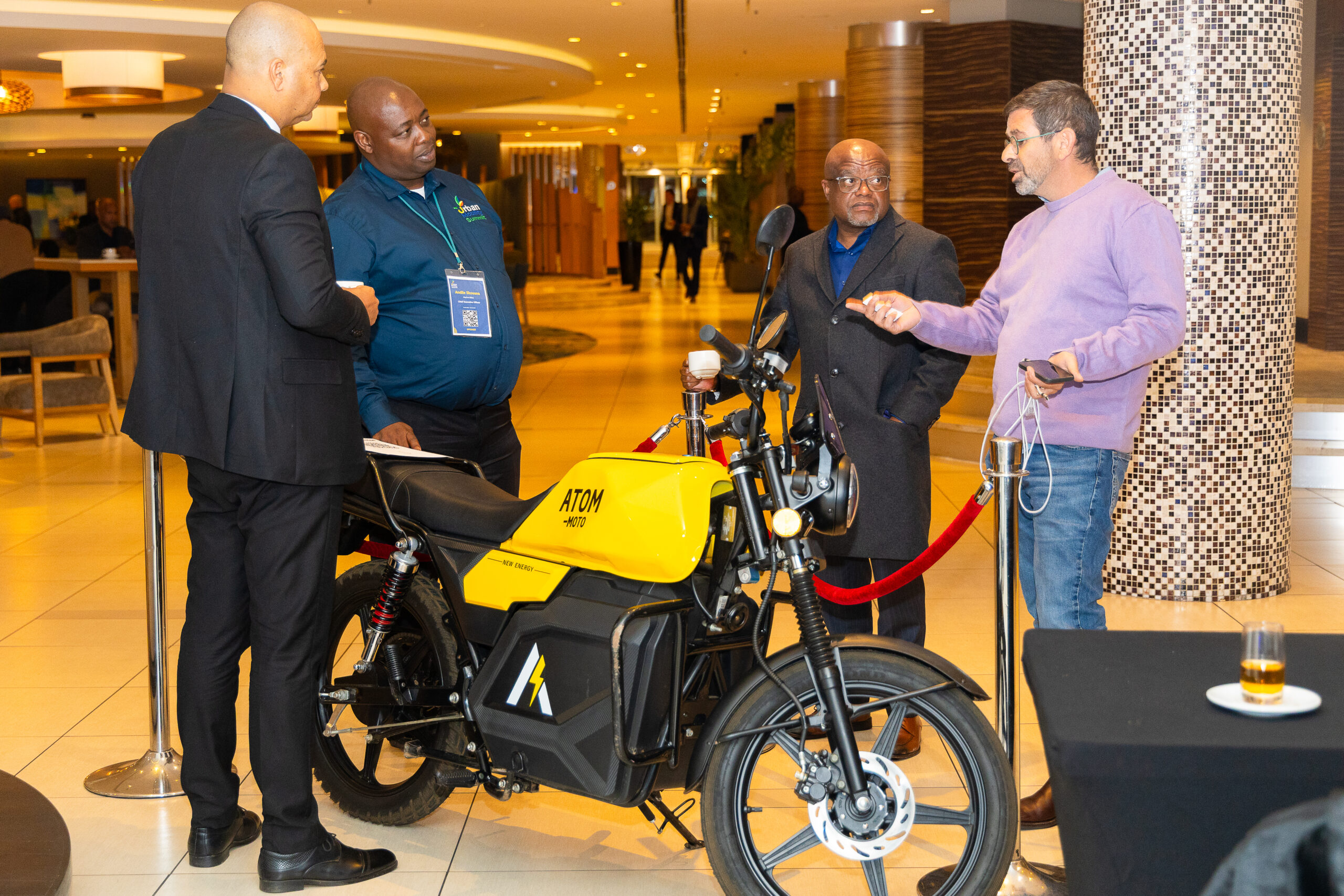
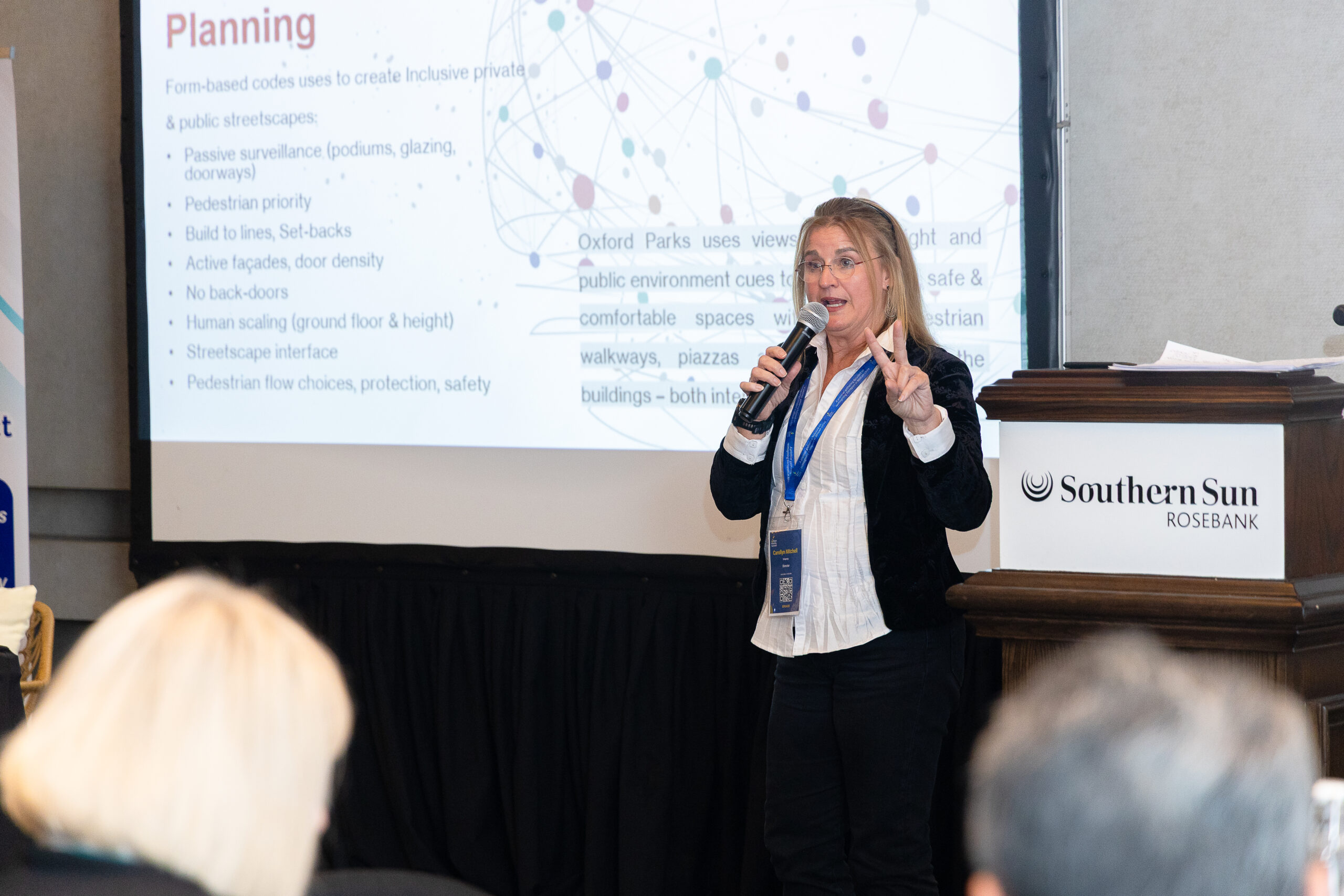
Carollyn Mitchell, Chairperson of the Oxford Parks Management District, contributed to a session examining the gap between decarbonisation commitments and ground-level delivery, and the role that developers and precinct managers play in closing this. Her closing question to the room cut to the core: how can developers make mobility integration visible at precinct level? In Rosebank, that answer is tangible. Anchored by the Gautrain and an extensive taxi and e-hailing network, the precinct is one of Johannesburg’s few genuinely multi-modal nodes.
Improved walkways, better lighting, upgraded intersections, and consistent public realm management make choosing public transport over a private vehicle the easier, more intuitive option. That is decarbonisation in practice, delivered through the quality of the environment every single day.
Rosebank Walkabout
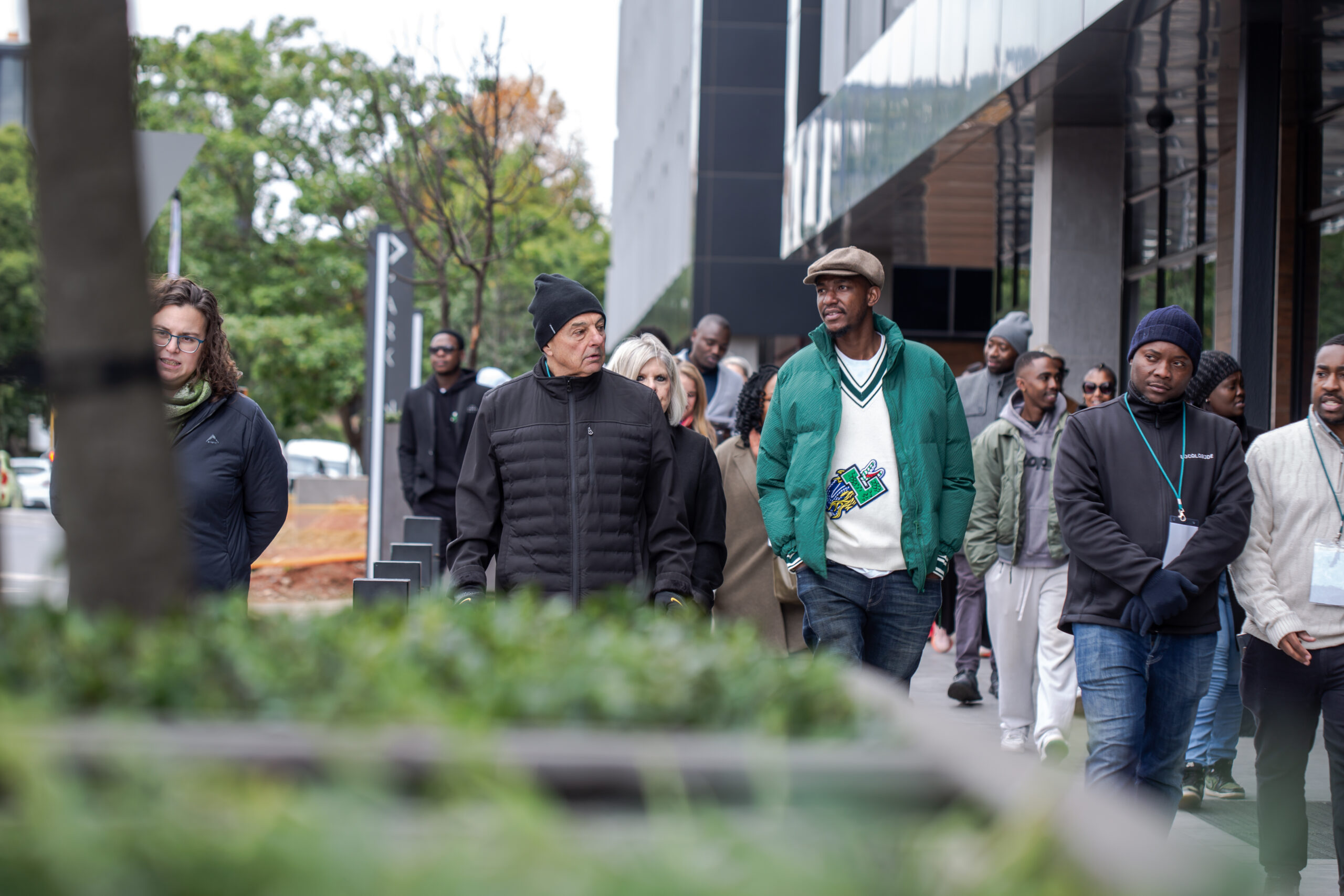
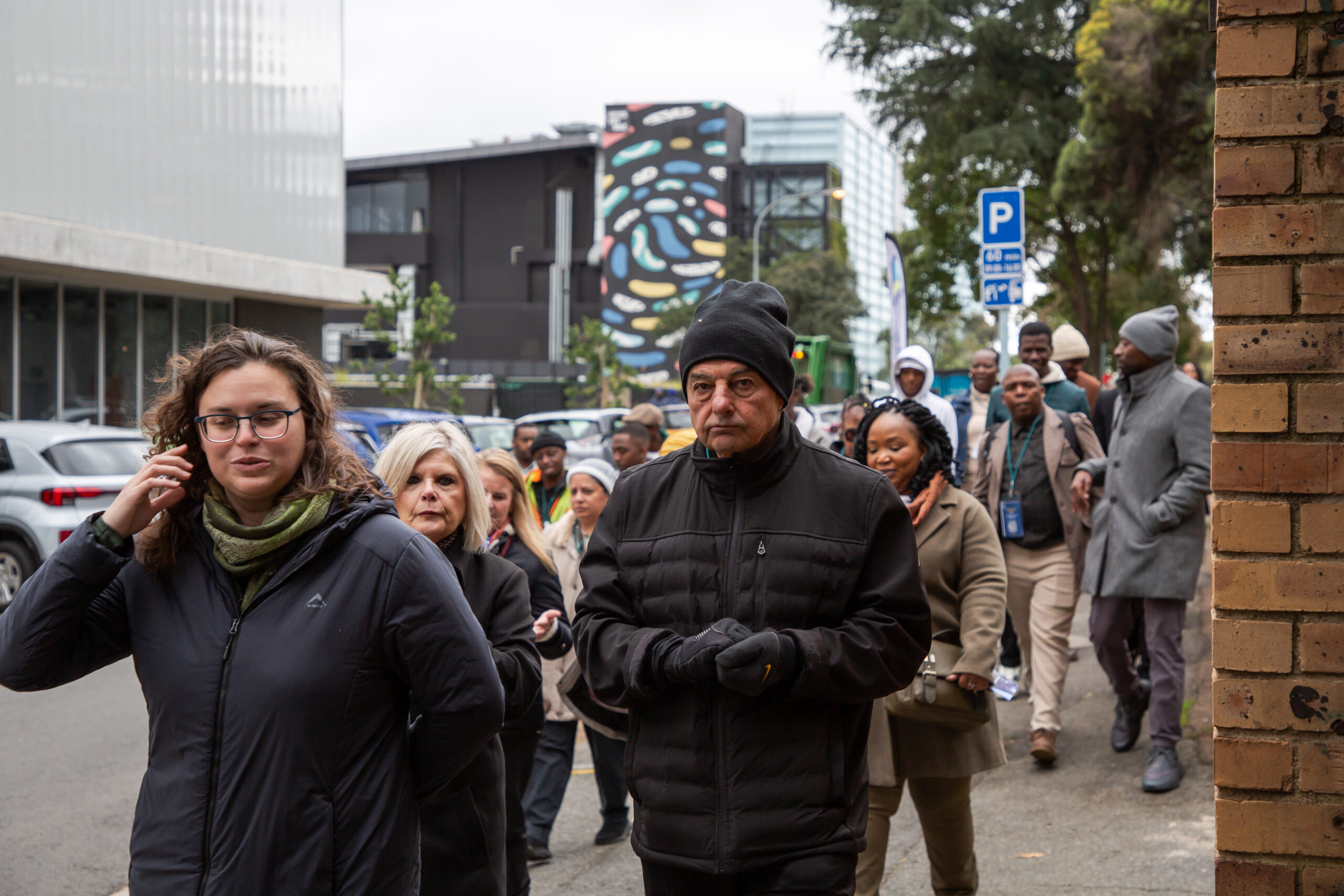
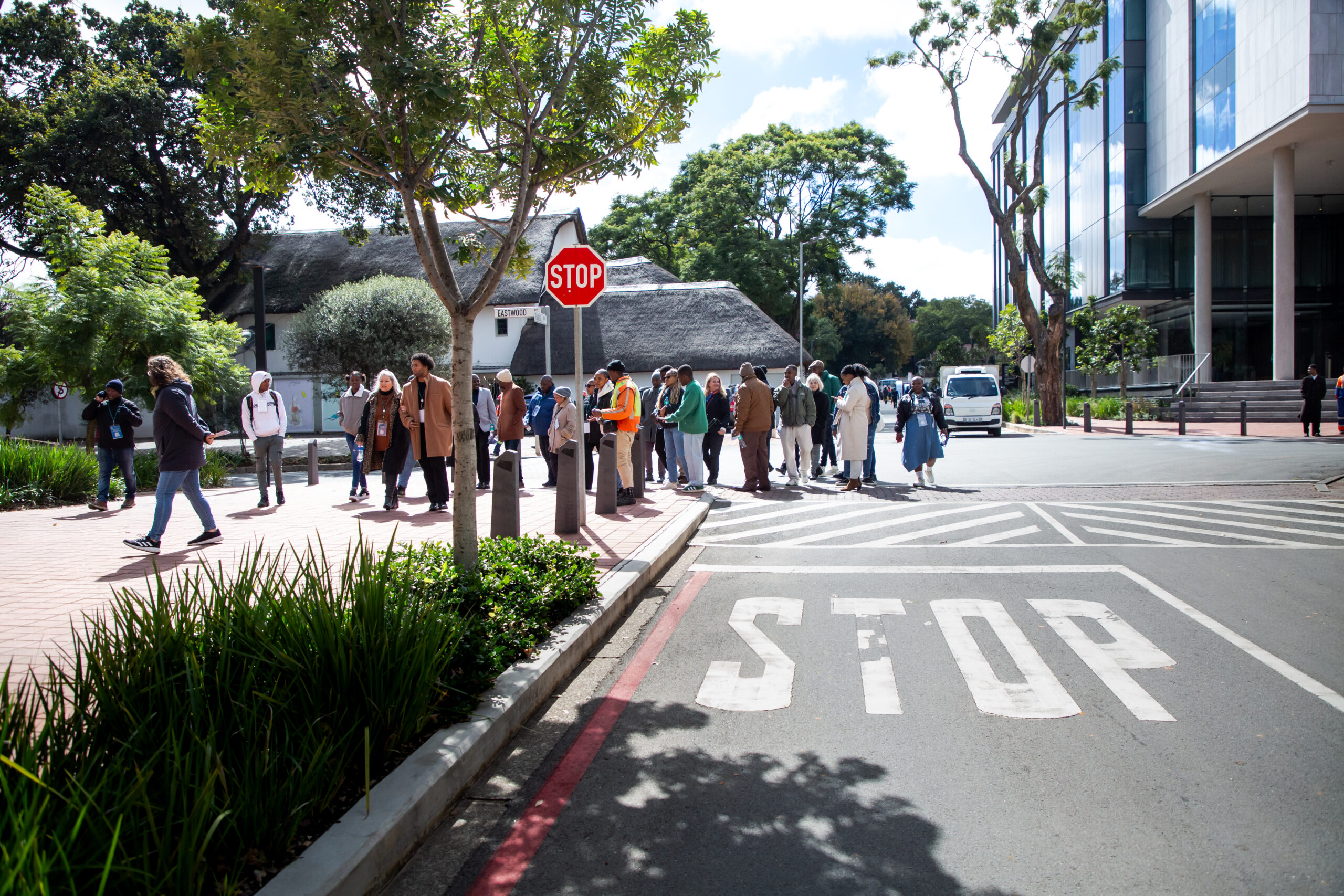
The precinct walkabout led by RMD and Oxford Parks turned theory into reality. No slide deck communicates what it feels like to move through a well-managed urban environment. Walking from the Gautrain station through the precinct makes it immediately apparent: this is a place designed and maintained to prioritise people, and the investment into that experience is visible at every turn.
Attendees moved through pedestrian routes, transport linkages, and public spaces, seeing firsthand how infrastructure, safety operations, maintenance, and placemaking combine to support movement. For the planners, developers, and policymakers on the walkabout, Rosebank offered something rare: evidence that the gap between urban vision and urban reality can be closed – not perfectly, not without ongoing effort, but meaningfully.
The Road Ahead
Both districts were recognised at the summit for their commitment to safer, more walkable public spaces built on operational discipline and sustained investment in the public realm. The recognition matters, but the more important outcome was what it affirmed: that precinct-level management, done consistently and well, is not a footnote to the urban mobility story. It is a central chapter.
Cities are not transformed from the top down alone. They are built and made liveable from the ground up – one precinct, one street, one well-managed public space at a time. That is the work. And Rosebank intends to keep doing it.
If your property falls within the operational boundary, contact the District Manager, Mikhaela Donaldson, and join the collective effort that keeps Rosebank thriving.
Sign up for our monthly member’s newsletter here. Follow our social media platforms for daily updates on operational concerns, events, and safety tips. Twitter, Facebook, Instagram.